The Randall Carlson
@therandallcarlson·632K subscribers·2.1K videos
Ice Ages Trigger Catastrophic Shifts in Earth's Crust
Posted
March 2, 2026
Views
84,889
Likes
2,713
Comments
112
Engagement
3.33%
March 2, 2026
84,889
2,713
112
3.33%
Every word spoken in this episode is indexed. Type any phrase to jump straight to the moment it was said.
Type any word or phrase that may have been spoken. Click a result to seek the player to that exact moment.
Try a name, a topic, or a quoted line
 1:08Now Playing
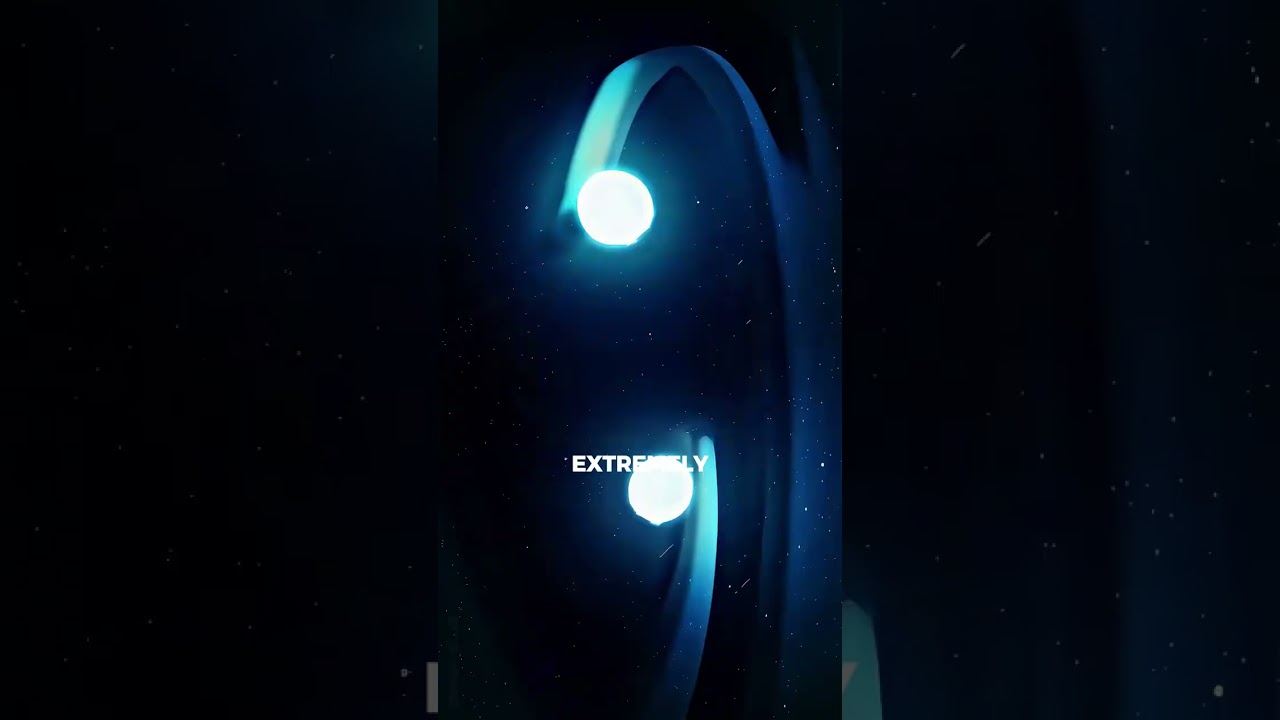
When a glacial ice sheet accumulates over a continental landmass, it pushes that crust downward - in some cases by as much as 2000 feet relative to the latitude it would normally occupy. That displacement, in geological terms, happens in an instant. And when the ice melts and that weight is released, the crust rebounds.
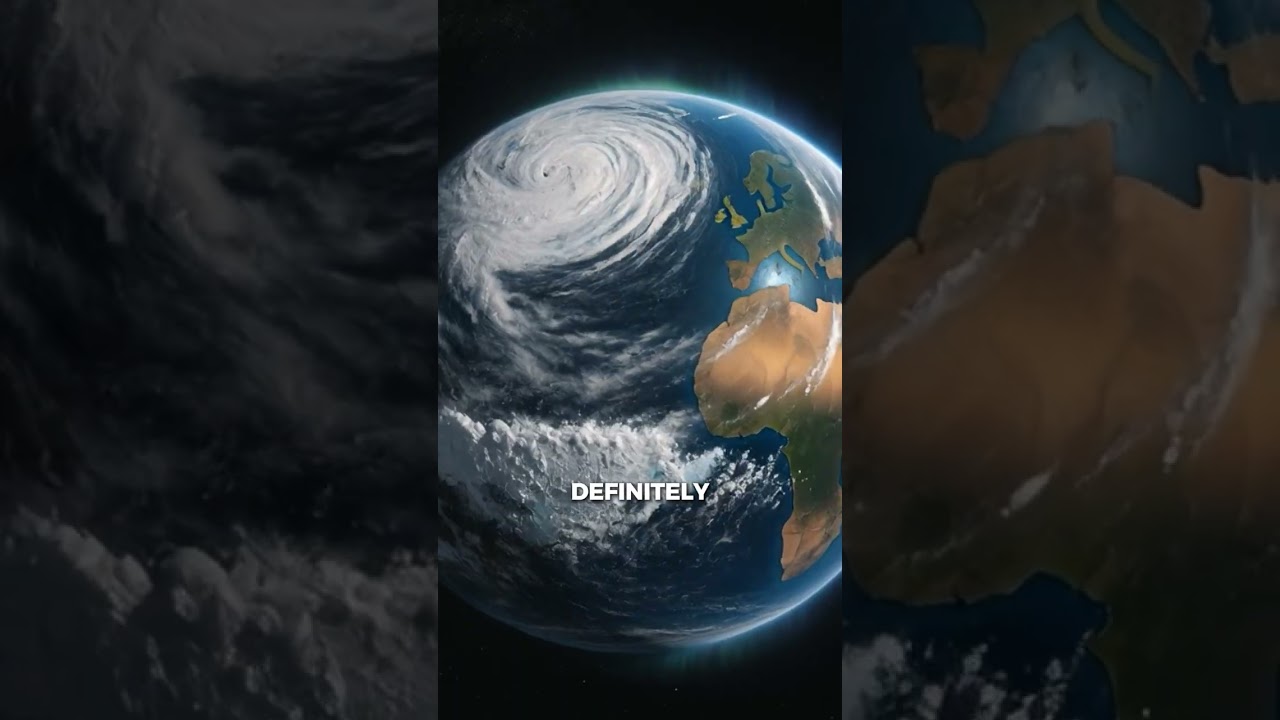
However, rebounding 2000 feet further from Earth's centre of mass means the crust is no longer in equilibrium with its latitude. The planet's rotation demands a specific distribution of mass at specific latitudes. When that distribution is suddenly wrong, the system will attempt to correct itself.
Randall argues that this is the mechanism behind accelerated lithospheric movement - the rapid shifting of Earth's crustal plates. Rapid glaciation or deglaciation doesn't just change sea levels and climate. It destabilises the physical relationship between the crust and the planet's rotational dynamics in ways that could produce catastrophic geological consequences within a timeframe that would look, to anyone living through it, like the end of the world.
Sentinel Indexing in Progress
Metadata and chapters are available. Claim extraction for this episode is pending.
All video content is delivered via YouTube embedded players in accordance with the YouTube Terms of Service. Sentinel provides research tools that promote discovery and accountability across political media.