
The Ring of Fire
@theringoffire·1.4M subscribers·27K videos
Regulators Claim Cryptocurrency Is A Cybersecurity Risk
Posted
June 20, 2021
Views
10,205
Likes
926
Comments
210
Engagement
11.13%
June 20, 2021
10,205
926
210
11.13%
Every word spoken in this episode is indexed. Type any phrase to jump straight to the moment it was said.
Type any word or phrase that may have been spoken. Click a result to seek the player to that exact moment.
Try a name, a topic, or a quoted line
 5:41Now Playing
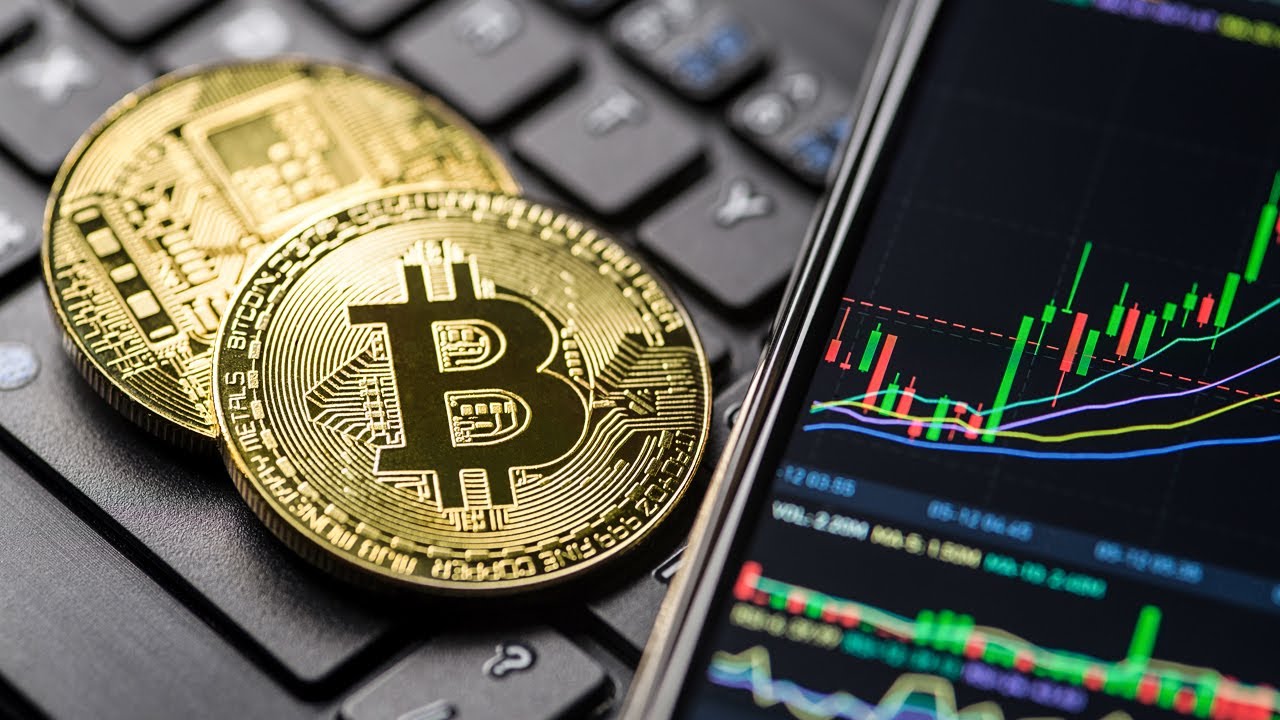
Via America’s Lawyer: Following the ransomware attack on the Colonial Pipeline, the DOJ recovers over $2 million in Bitcoin. Mike Papantonio is joined by Boom Bust co-host Ben Swann to explain how regulators should focus on strengthening cybersecurity infrastructure instead of pointing the finger at crypto.
Become a member today!
Support us by becoming a monthly patron on Patreon, and help keep progressive media alive!
Find our merchandise at Teespring
Spread the word! LIKE and SHARE this video or leave a comment to help direct attention to the stories that matter. And SUBSCRIBE to stay connected with Ring of Fire's video content!
Support Ring of Fire by subscribing to our YouTube channel
Be sociable! Follow us on:
Follow more of our stories at
Subscribe to our podcast
*This transcript was generated by a third-party transcription software company, so please excuse any typos.
Crypto traders have long insisted that digital currencies like Bitcoin are more secure than their fiat currency counterparts, but recent cyber attacks are causing a stir among regulators who fear ransomware could plague the world of crypto. Boom Bust cohost Ben Swann joins me to talk about it, a guy who knows more about this than any 100 people. Ben, following the cyber attack on the colonial pipeline, the justice department's, they, they, they turn over $2 million of ransomware payments in the form of Bitcoin. Talk to us about exactly what happened there.
Yeah, kind of an interesting story, because obviously colonial pipeline, so many people were familiar with that part of the story. Had access to their pipeline shut down for a couple of days. It caused huge gas lines across the country, shortages of jet fuel, diesel and gasoline. Now, what's really interesting about this story though, Mike, is it's been kind of misreported in certain ways. In that, for instance, we were led to believe early on that when these hackers first hit colonial pipeline, that the hackers were the ones who shut off access to fuel in exchange for a ransom of about $4.4 million in Bitcoin. Turns out that's actually not true. What we now know of course, by word of the CEO himself, the truth is the hackers actually only gained access to the billing department. And then the CEO of the company was the one who shut down access to the fuel, then decided to pay this ransom of $4.4 million.
That a couple of days later, the justice department and the FBI came back and said, well, actually we were able to claw back about $2.3 million worth of that ransom. Now, that sounds very impressive to say you were able to do this because remember the whole concept behind cryptography and Bitcoin is that you can't hack it. You can't get to it once a transaction has been made. And so it made the FBI sound pretty powerful. It made them sound as if they had done something truly remarkable. But then when you dig into the details, what you actually find out is there was a warrant that was issued to a San Francisco based company, it maybe Coinbase, perhaps, which is essentially for your viewers who don't know a lot about Bitcoin, is a third party wallet. Which means that the justice department was able to gain access to a wallet and that's how they get it, they did it. They didn't hack Bitcoin. They were able to get into a third party wallet.
Yeah. They were pretty much, they were pretty much beating on their chest making it look like they had saved the day, but that really is not this story, is it. Now the federal government is taking a closer look at how to regulate cryptocurrency. But given the number of cyber attacks in recent years, shouldn't their focus be on strengthening cybersecurity and infrastructure instead of the goose, the wild goose chase that they're always on? I mean, isn't that the easy way to do this?
Yeah. That's, that's absolutely right. The concept that you're going to go after cryptocurrency to end ransomware is kind of nonsensical, especially when you consider the fact, Mike, that ransomware attacks predate cryptocurrency. There have been ransomware attacks long before the, the ransoms were paid in crypto, number one. And number two, with a company like colonial pipeline, consider this, that the justice department also did recognize that they had not even been doing basic two factor authentication in order to get into your system.
#rof #trofire #theringoffire #progressivenews
Sentinel Indexing in Progress
Metadata and chapters are available. Claim extraction for this episode is pending.
All video content is delivered via YouTube embedded players in accordance with the YouTube Terms of Service. Sentinel provides research tools that promote discovery and accountability across political media.