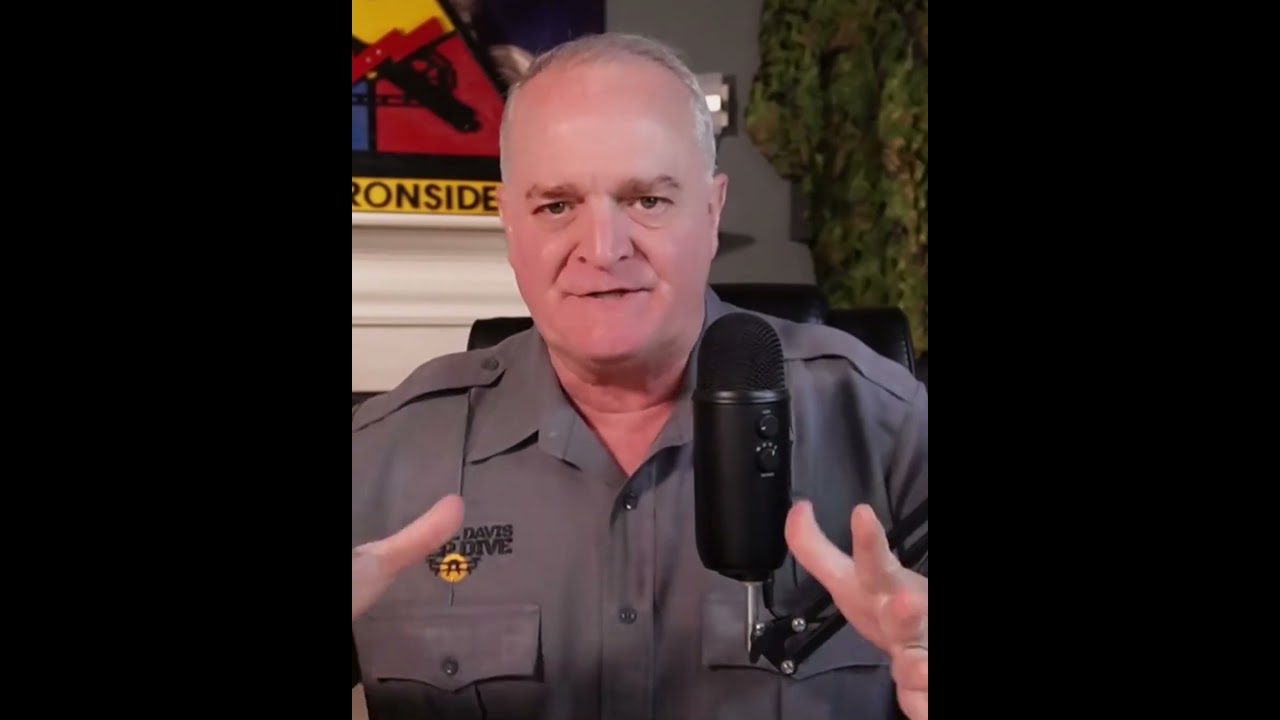
Daniel Davis Deep Dive
@danieldavisdeepdive·442K subscribers·4.9K videos
IRAN TALKS: SET-UP for FAILURE /Lt Col Daniel Davis & Brian Thomas
Posted
February 17, 2026
Views
6,944
Likes
354
Comments
79
Engagement
February 17, 2026
6,944
354
79
6.24%
Every word spoken in this episode is indexed. Type any phrase to jump straight to the moment it was said.
Type any word or phrase that may have been spoken. Click a result to seek the player to that exact moment.
Try a name, a topic, or a quoted line
 12:51Now Playing
** NEW MERCH ** Jackets & Sweatshirts, Thermo Mugs!!
Daniel Davis Deep Dive Merch: Etsy store
Iran
A military strike on Iran would likely be chaotic, deadly, and risk major regional escalation, with Iran capable of retaliating against U.S. bases and nearby targets.
Economic sanctions have severely damaged Iran’s economy—its currency has collapsed, businesses are struggling, and economic pressure is intense. Some argue this could force Iran into concessions without war.
However, the analyst argues Iran cannot agree to demands such as giving up long-range missiles, proxy support, or nuclear enrichment because doing so would leave it defenseless against Israel or the U.S. He suggests Iran views these capabilities as essential for survival.
The analyst claims the current demands may be structured in a way that Iran cannot accept, increasing the likelihood of war rather than compromise.
Iran is portrayed as seeking negotiations and normalization, but Israel is described as unwilling to tolerate Iran’s continued existence as a strategic threat.
Both sides distrust each other deeply, and proxy conflicts (Hezbollah, Houthis, Hamas) reinforce mutual hostility.
The analyst argues the U.S. could reduce war risk by pressuring Israel toward restraint instead of supporting military action, warning war could destabilize the Middle East and damage relations with regional partners like Saudi Arabia, UAE, and Qatar.
Russia-Ukraine
The analyst predicts Russia will ultimately win militarily due to its larger resources and manpower unless Ukraine agrees to Russia’s core demands.
Russia’s main conditions include territorial concessions, Ukrainian neutrality (no NATO membership), demilitarization, and political changes.
Ukraine and European allies reject those conditions and instead seek security guarantees, potentially including foreign troops—something Russia considers unacceptable.
European countries lack sufficient military forces and financial resources to deploy meaningful troop numbers to Ukraine long-term.
Providing U.S. or European security guarantees could risk deeper Western military involvement, which critics argue is costly and strategically risky.
Overall, the analyst argues the war will continue until Ukraine either accepts Russia’s terms or Russia achieves its objectives through military force.
Bottom line:
The analyst presents a pessimistic outlook in both cases—arguing that current policies toward Iran may be steering toward war rather than compromise, and that Ukraine is unlikely to win militarily without major changes, making a negotiated settlement increasingly inevitable.
Sentinel Indexing in Progress
Metadata and chapters are available. Claim extraction for this episode is pending.
All video content is delivered via YouTube embedded players in accordance with the YouTube Terms of Service. Sentinel provides research tools that promote discovery and accountability across political media.