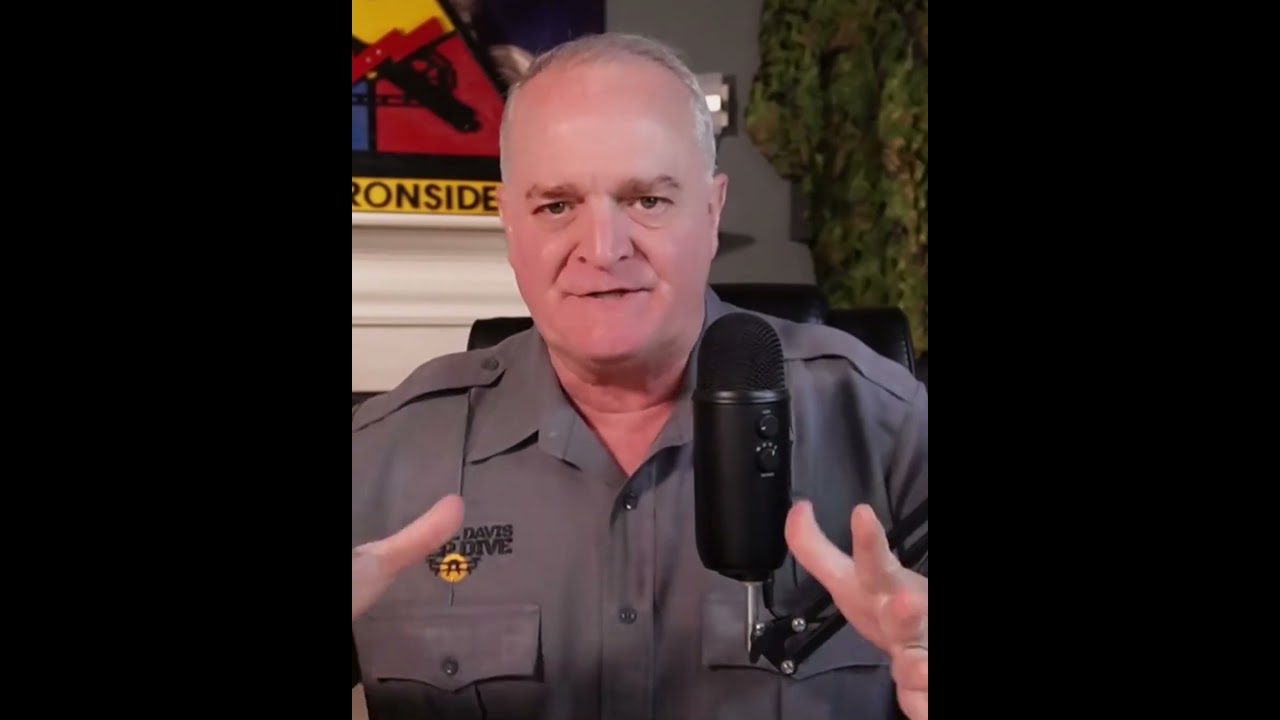
Daniel Davis Deep Dive
@danieldavisdeepdive·442K subscribers·4.9K videos
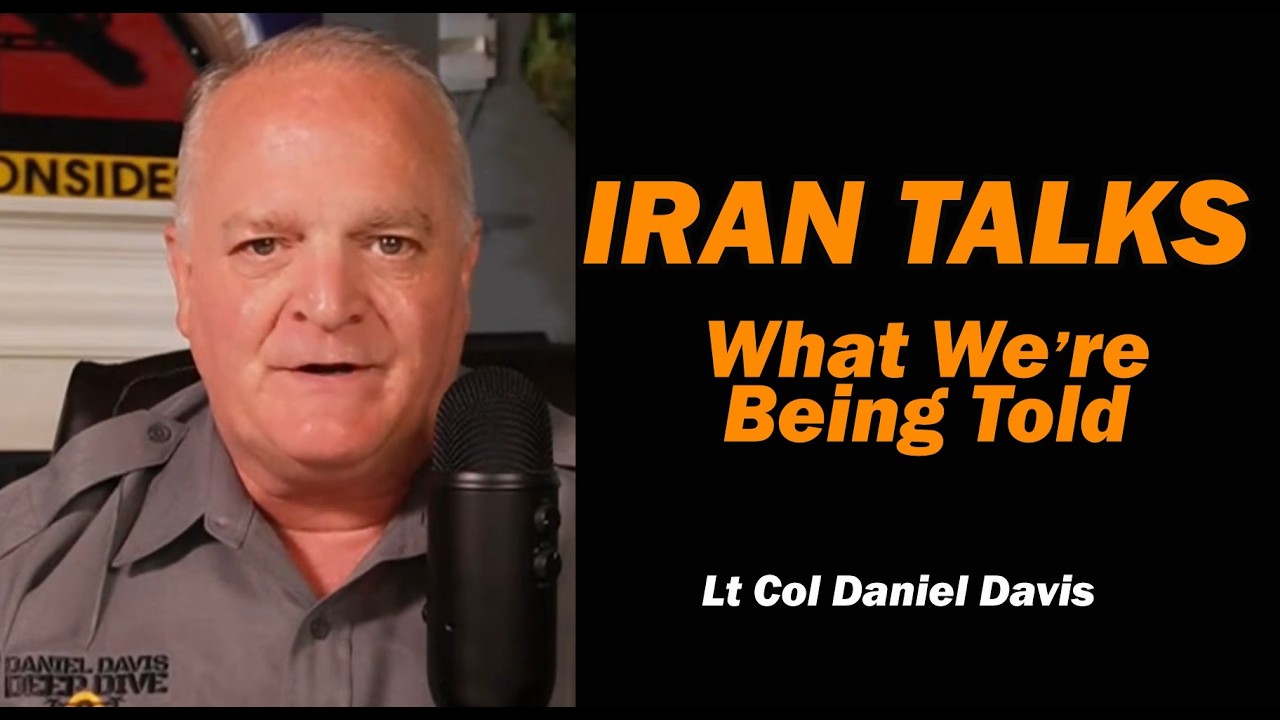
IRAN TALKS: What We're Being Told /Lt Col Daniel Davis
Posted
February 17, 2026
Views
26,309
Likes
1,070
Comments
209
Engagement
February 17, 2026
26,309
1,070
209
4.86%
Every word spoken in this episode is indexed. Type any phrase to jump straight to the moment it was said.
Type any word or phrase that may have been spoken. Click a result to seek the player to that exact moment.
Try a name, a topic, or a quoted line
 11:51Now Playing
** NEW MERCH ** Jackets & Sweatshirts, Thermo Mugs!!
Daniel Davis Deep Dive Merch: Etsy store
Negotiations with Iran: cautious optimism but deep distrust
Iran’s Foreign Minister Abbas Araghchi made a cautiously positive statement after talks with the United States, suggesting possible progress and plans for further discussions.
However, Iranian officials remain deeply skeptical due to past experience, including claims that Iran was attacked while negotiations were underway.
Iran’s leadership appears willing to give diplomacy another chance, especially regarding its nuclear program, but is preparing for the possibility that negotiations could fail.
Military buildup suggests potential conflict despite diplomatic rhetoric
Despite diplomatic messaging, U.S. military deployments in the Gulf and strong rhetoric from American officials suggest preparations for possible military action.
The speaker believes Iran’s diplomatic tone may be partly strategic—to show the world that Iran attempted peaceful resolution if conflict occurs.
There is concern that the U.S. may not prioritize global perception or diplomatic legitimacy if it chooses to strike Iran.
Criticism of U.S. foreign policy mindset and rhetoric
The speaker argues that recent U.S. foreign policy rhetoric emphasizes power over international law, portraying global relations as governed by force rather than rules.
Statements by U.S. officials and commentators are cited as suggesting America sees itself as a dominant global power unconstrained by international norms.
The speaker warns that this mindset could damage U.S. credibility with allies, adversaries, and neutral nations.
Defense buildup and deterrence debate
Supporters of increased military spending argue the U.S. must rebuild deterrence after perceived weakness during previous administrations, citing conflicts involving Russia, Iran, and others.
The speaker strongly disagrees, arguing the U.S. already has overwhelming military superiority and that increasing military spending further may encourage aggression rather than peace.
Overall conclusion of the speaker’s argument
Iran is publicly pursuing diplomacy but likely expects conflict.
The U.S. is simultaneously engaging diplomatically while preparing militarily.
The speaker believes U.S. policy is driven more by power and dominance than peace, and warns this could lead to greater instability and long-term consequences.
Sentinel Indexing in Progress
Metadata and chapters are available. Claim extraction for this episode is pending.
All video content is delivered via YouTube embedded players in accordance with the YouTube Terms of Service. Sentinel provides research tools that promote discovery and accountability across political media.