Daniel Davis Deep Dive
@danieldavisdeepdive·442K subscribers·4.9K videos
U.S. RED LINES/IRAN RESISTS - Lt Col Daniel Davis
Posted
February 18, 2026
Views
50,629
Likes
2,629
Comments
613
Engagement
February 18, 2026
50,629
2,629
613
6.40%
Every word spoken in this episode is indexed. Type any phrase to jump straight to the moment it was said.
Type any word or phrase that may have been spoken. Click a result to seek the player to that exact moment.
Try a name, a topic, or a quoted line
 33:33Now Playing
** NEW MERCH ** Jackets & Sweatshirts, Thermo Mugs!!
Daniel Davis Deep Dive Merch: Etsy store
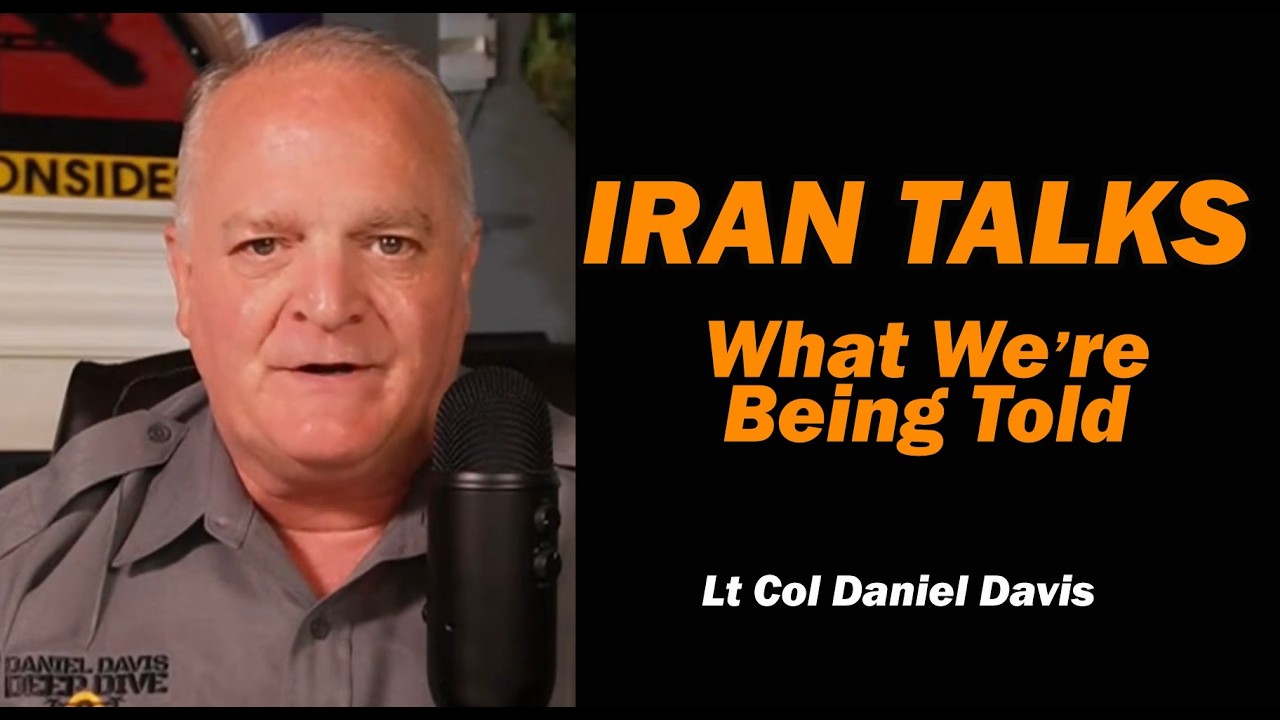
Lt Col Daniel Davis argues that Iran has shown restraint in past confrontations because the U.S. left them an “off-ramp” to avoid escalation. But if Washington shifts toward explicit regime change—assassinating leadership, destroying the IRGC, and dismantling the government—Iran would have no incentive to hold back.
In that case, Iran would likely launch a massive, immediate response, using as much of its missile arsenal as possible before it’s destroyed. The speaker claims Iran would aim to inflict heavy American casualties quickly to impose a visible cost, and would also expand attacks on Israel. Given the limits of air defenses, some Iranian strikes would likely get through.
He argues that even if the U.S. kills senior leaders, Iran has continuity-of-government plans and pre-designated successors. Their objective wouldn’t be defeating America outright, but simply surviving—like the Taliban, Hamas, or the Houthis—living to fight another day. Regime change would require near-perfect execution in a short time frame, which he considers highly unlikely.
The speaker outlines possible outcomes:
A small chance of a quick, low-casualty success.
A significant chance of a prolonged conflict lasting months with rising casualties.
A substantial risk of worst-case escalation, including lost ships, aircraft, and many American and Israeli deaths, without fully eliminating the regime.
He stresses that attacking a prepared enemy without surprise is one of the hardest military operations. Iran is mentally and operationally ready, with succession plans and hardened infrastructure. Even if devastated, they could survive underground and continue resistance.
He also warns that while China and Russia might not directly enter the war, they could provide indirect support to keep Iran afloat if the U.S. becomes bogged down.
Ultimately, he argues that the political upside for President Trump would be minimal, while the risks—military, strategic, and human—are enormous. He concludes that the most likely result of a regime-change war would be heavy casualties and a prolonged, destabilizing conflict rather than a clean victory.
Sentinel Indexing in Progress
Metadata and chapters are available. Claim extraction for this episode is pending.
All video content is delivered via YouTube embedded players in accordance with the YouTube Terms of Service. Sentinel provides research tools that promote discovery and accountability across political media.