Daniel Davis Deep Dive
@danieldavisdeepdive·442K subscribers·4.9K videos
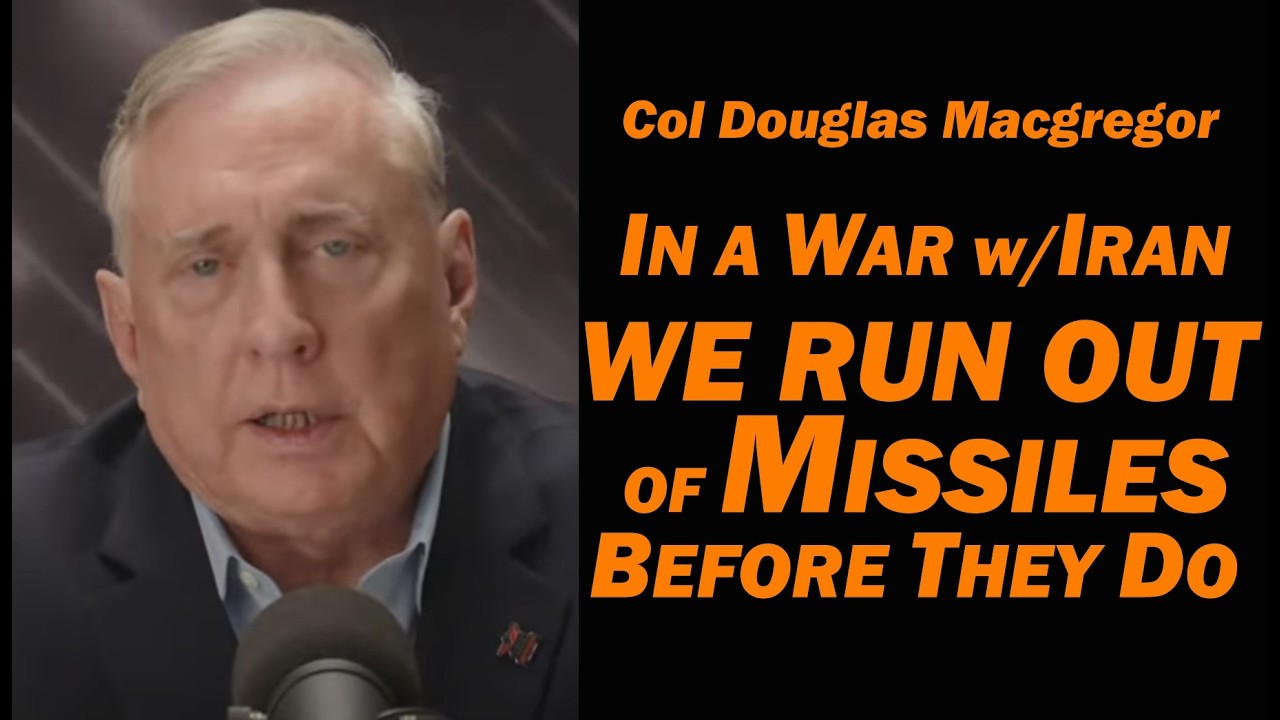
Col Douglas Macgregor: BOMBING IRAN Won't Fix Anything!
Posted
February 17, 2026
Views
136,505
Likes
7,124
Comments
1,041
Engagement
February 17, 2026
136,505
7,124
1,041
5.98%
Every word spoken in this episode is indexed. Type any phrase to jump straight to the moment it was said.
Type any word or phrase that may have been spoken. Click a result to seek the player to that exact moment.
Try a name, a topic, or a quoted line
 57:27Now Playing
** NEW MERCH ** Jackets & Sweatshirts, Thermo Mugs!!
Daniel Davis Deep Dive Merch: Etsy store
U.S. military leaders are confident in their capabilities against Iran, but any war would likely involve American losses in the air, on the ground, and possibly at sea.
Senator Lindsey Graham is portrayed as accepting those risks, arguing military action is justified despite potential U.S. casualties. The speaker strongly disagrees, arguing there is no compelling U.S. national security reason to attack Iran and that such a war would provoke Iranian retaliation and American deaths.
Col Douglas Macgregor claims some policymakers and commentators view U.S. and Israeli interests as identical, but argues the U.S. has no strategic interest in destroying Iran or its society.
He rejects the idea that Iranians would welcome U.S. military intervention, arguing bombing Iran would not help its population or lead to regime change.
The speaker disputes claims that Iran poses a global threat or is actively pursuing nuclear weapons, arguing Iran’s actions are primarily defensive or regional rather than aimed at world domination.
He criticizes Western media and neoconservative voices, including Mark Thiessen, for promoting war and framing negotiations as requiring Iran’s surrender.
He argues negotiations are unlikely to succeed because U.S. demands—such as ending enrichment, missile programs, and regional influence—are unacceptable to Iran.
He concludes that U.S. policy toward Iran is heavily influenced by Israeli strategic priorities and broader geopolitical and financial power struggles, making compromise unlikely and increasing the risk of conflict.
Overall: The speaker argues that war with Iran would be costly, unnecessary for U.S. security, unlikely to achieve its goals, and driven more by ideology and alliances than by clear American interests.
Sentinel Indexing in Progress
Metadata and chapters are available. Claim extraction for this episode is pending.
All video content is delivered via YouTube embedded players in accordance with the YouTube Terms of Service. Sentinel provides research tools that promote discovery and accountability across political media.