Daniel Davis Deep Dive
@danieldavisdeepdive·442K subscribers·4.9K videos
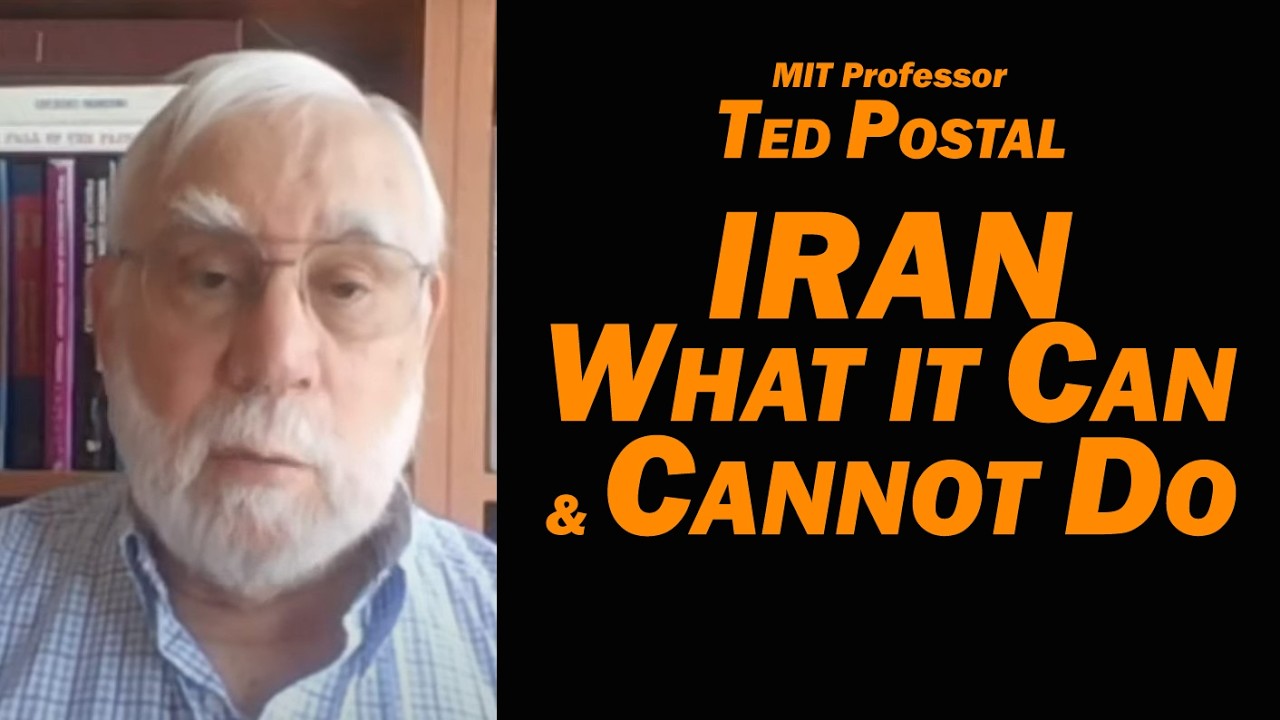
MIT Prof Ted Postol: IRAN: WHAT it CAN & CANNOT DO
Posted
February 19, 2026
Views
273,874
Likes
8,694
Comments
2,249
Engagement
February 19, 2026
273,874
8,694
2,249
4.00%
Every word spoken in this episode is indexed. Type any phrase to jump straight to the moment it was said.
Type any word or phrase that may have been spoken. Click a result to seek the player to that exact moment.
Try a name, a topic, or a quoted line
 47:36Now Playing
** NEW MERCH ** Jackets & Sweatshirts, Thermo Mugs!!
Daniel Davis Deep Dive Merch: Etsy store
MIT Prof Ted Postol argues that Iran has the capability to inflict far greater damage on Israel than previously seen, particularly by targeting major cities like Tel Aviv with large numbers of ballistic missiles.
In a simulation of 100 missiles striking Tel Aviv with roughly 1 km accuracy (similar to Iran’s October 2024 attack accuracy), significant damage occurs, though many missiles land outside key areas. If missile accuracy improves to 500 meters — something the speaker says is feasible with Russian assistance — the concentration of damage in central economic zones would dramatically increase, potentially crippling Israel’s commercial infrastructure. Similar effects could occur in cities like Haifa or Be’er Sheva.
Iran is reportedly believed to possess up to a few thousand ballistic missiles, though exact numbers are unknown. With support from Russia and China, Iran could expand production further. Even if only a fraction were used, repeated large-scale strikes could severely damage multiple cities or regional air bases.
Regarding U.S. or Israeli efforts to destroy Iranian launchers:
Fixed missile sites are vulnerable but may be hardened or tunnel-based.
Mobile launchers are extremely difficult to detect and destroy.
Air operations over Iran would face fuel and time limitations.
Surveillance capabilities against mobile systems are limited.
On missile defense effectiveness:
Israeli air defenses (Iron Dome, David’s Sling, THAAD) are effective against aircraft and drones.
However, the speaker claims ballistic missile interception rates are very low.
He estimates successful interception of warheads during the 2025 conflict may have been below 5%.
Many missiles failed due to older technology (e.g., tumbling), not because of air defense success.
If Iran begins using more modern missiles with improved guidance and stability, accuracy would increase and defensive systems would remain largely ineffective against concentrated ballistic missile attacks.
Overall, the argument is that improved Iranian missile accuracy combined with large stockpiles could pose a severe threat to Israel’s urban and economic centers, with limited ability to stop such attacks once launched.
Sentinel Indexing in Progress
Metadata and chapters are available. Claim extraction for this episode is pending.
All video content is delivered via YouTube embedded players in accordance with the YouTube Terms of Service. Sentinel provides research tools that promote discovery and accountability across political media.