Elan Show
@elanshowofficial·28.6K subscribers·316 videos
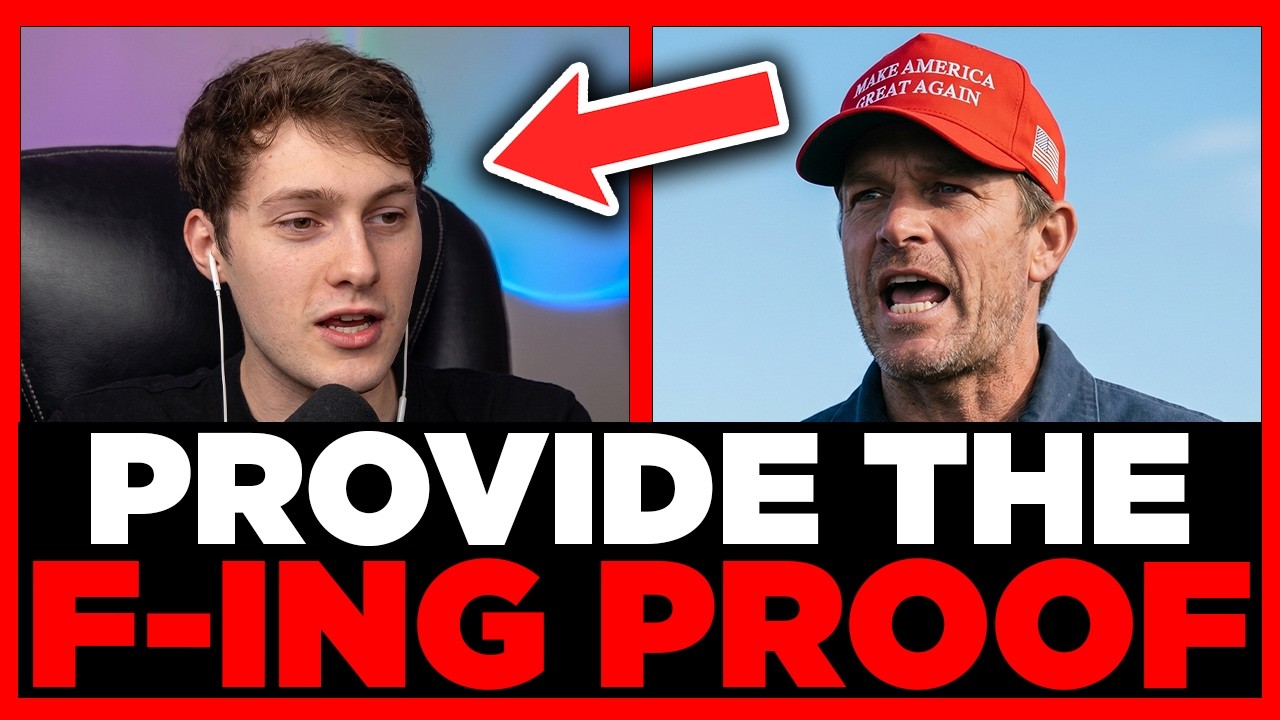
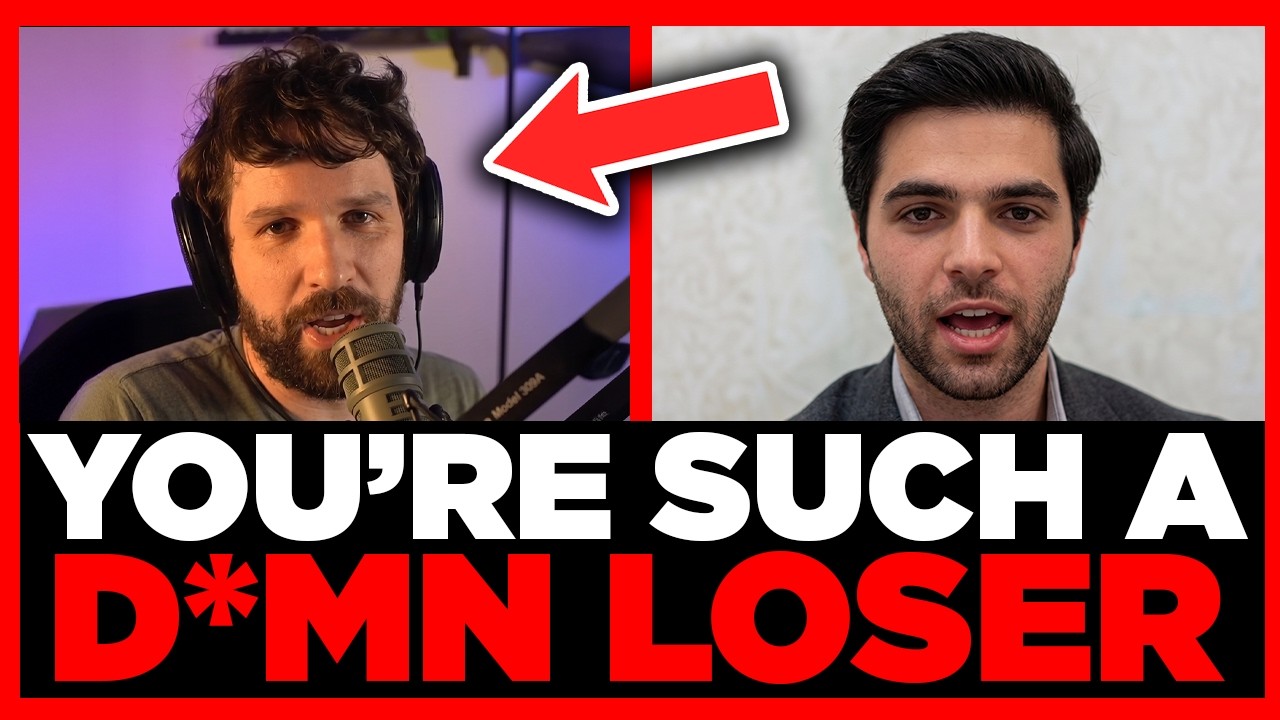
Adam Mockler CONFRONTS MAGA Influencer LIVE - IT WAS BRUTAL
Posted
April 22, 2026
Views
3,017
Likes
97
Comments
11
Engagement
3.58%
April 22, 2026
3,017
97
11
3.58%
Every word spoken in this episode is indexed. Type any phrase to jump straight to the moment it was said.
Type any word or phrase that may have been spoken. Click a result to seek the player to that exact moment.
Try a name, a topic, or a quoted line
 17:21Now Playing
In this video, we break down a tense and highly revealing confrontation involving political commentator Laura Loomer and a group of Indian journalists who directly challenge her past statements on race, immigration, and religion. What unfolds is not just another viral moment, but a deeper look into how political rhetoric, media influence, and real-world accountability collide in today’s global discourse.
The setting is a live international forum, where journalists come prepared with documented quotes and public statements. They confront Loomer on controversial remarks about Indian communities, immigrants, and Muslim individuals—statements that have circulated widely online and sparked backlash across multiple audiences. The exchange quickly turns into a broader discussion about political messaging, freedom of speech, and the consequences of inflammatory language in the digital age.
One of the most striking aspects of this debate is how it moves beyond theory and into real-world impact. The journalists don’t just ask general questions—they cite specific examples, including recent social media posts that frame entire groups as security threats. This raises a critical question explored throughout the video: where is the line between political commentary and harmful rhetoric?
The video also examines how influence works in modern politics. When public figures with large platforms make repeated claims or provocative statements, those ideas can spread far beyond their original audience. This is especially relevant in an era where viral clips, tweets, and soundbites can shape public perception faster than traditional media ever could. The discussion highlights how repetition and reach can normalize ideas that might otherwise be rejected in more formal debates.
Another key theme is accountability. What happens when someone is confronted directly with their own words? In this case, the journalists push for clarity, asking whether there is any regret or reconsideration behind past statements. The responses—and in some cases, deflections—offer insight into how public figures navigate criticism when faced in real time rather than online.
The video also explores a broader cultural and political pattern: how extreme rhetoric, once normalized, can begin to reshape entire movements. When language targeting specific groups becomes more common, it can influence not only public opinion but also policy discussions and political alliances. This raises important questions about responsibility—not just for individuals, but for the systems that amplify these voices.
For viewers interested in political debates, media analysis, and cultural discourse, this is a must-watch moment. It captures a rare instance where opposing perspectives meet face-to-face, without filters, and where the consequences of public speech are examined in real time.
What do you think about this exchange? Where should the line be drawn between free speech and accountability? Do moments like this help improve political dialogue, or do they deepen divisions? Share your thoughts in the comments and join the discussion.
If you found this breakdown insightful, don’t forget to like, subscribe, and share this video with others who follow political debates, media commentary, and global conversations.
Sentinel Indexing in Progress
Metadata and chapters are available. Claim extraction for this episode is pending.
All video content is delivered via YouTube embedded players in accordance with the YouTube Terms of Service. Sentinel provides research tools that promote discovery and accountability across political media.