Elan Show
@elanshowofficial·28.6K subscribers·316 videos
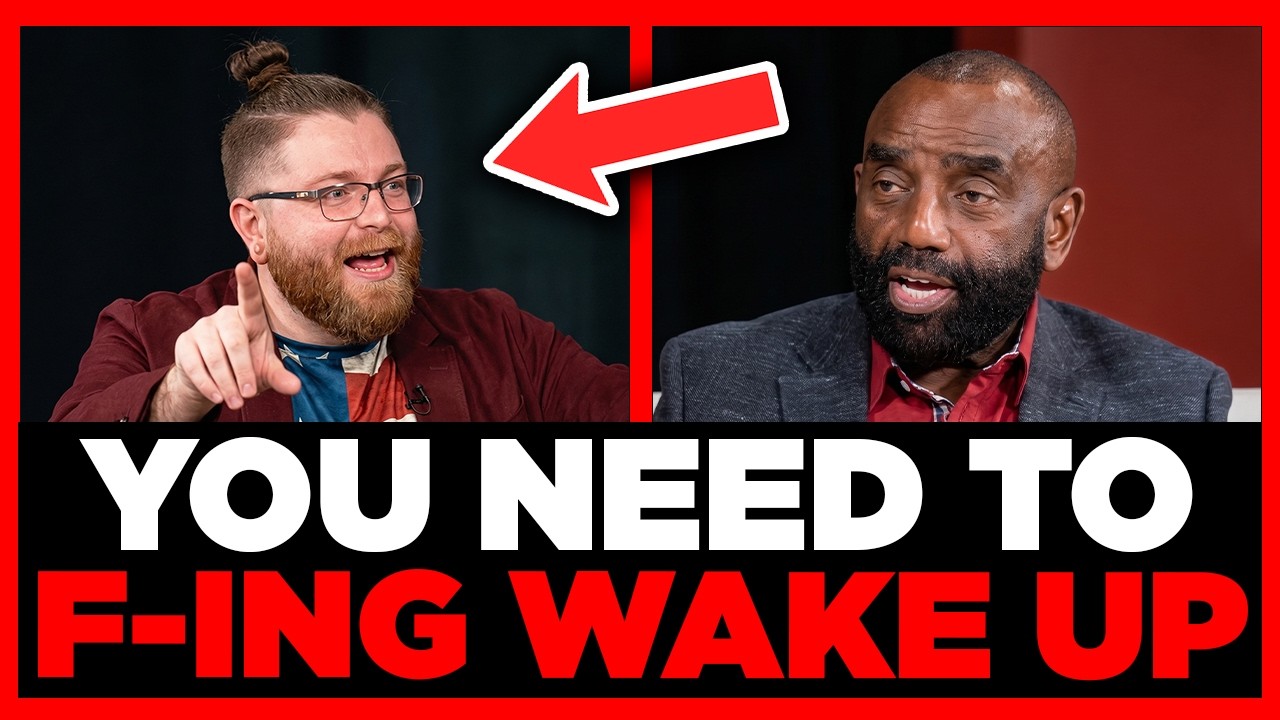
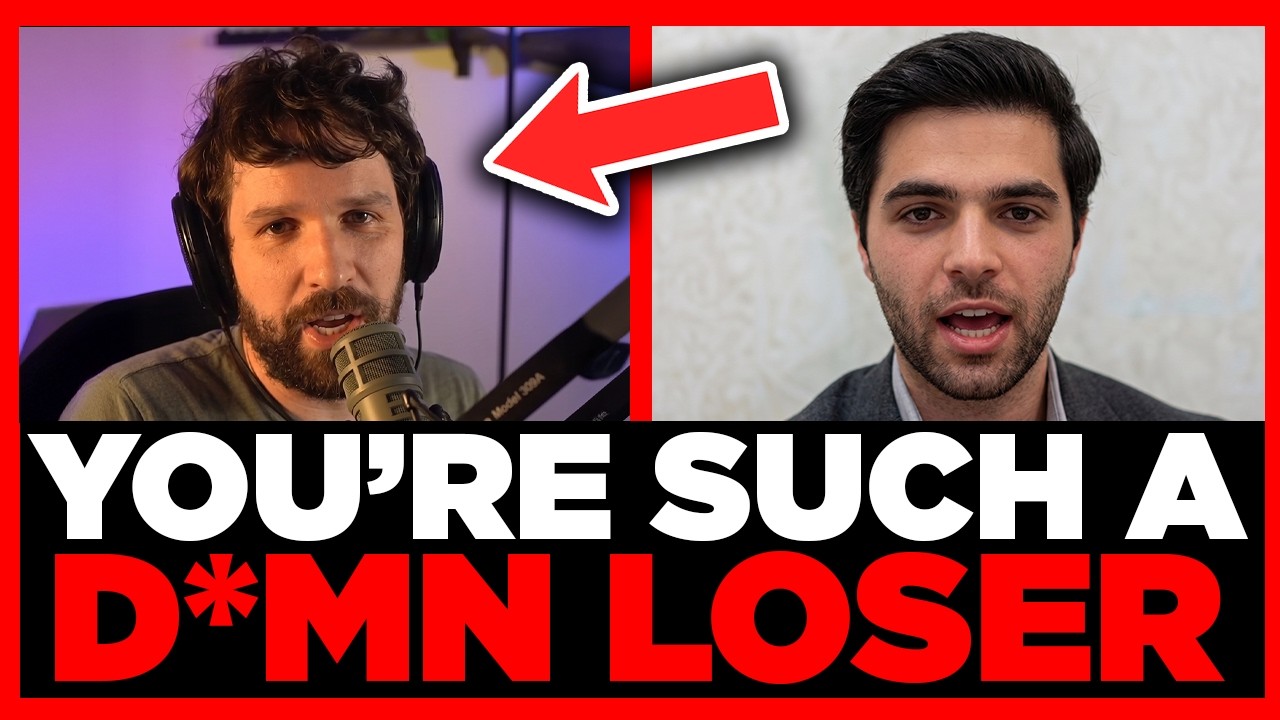
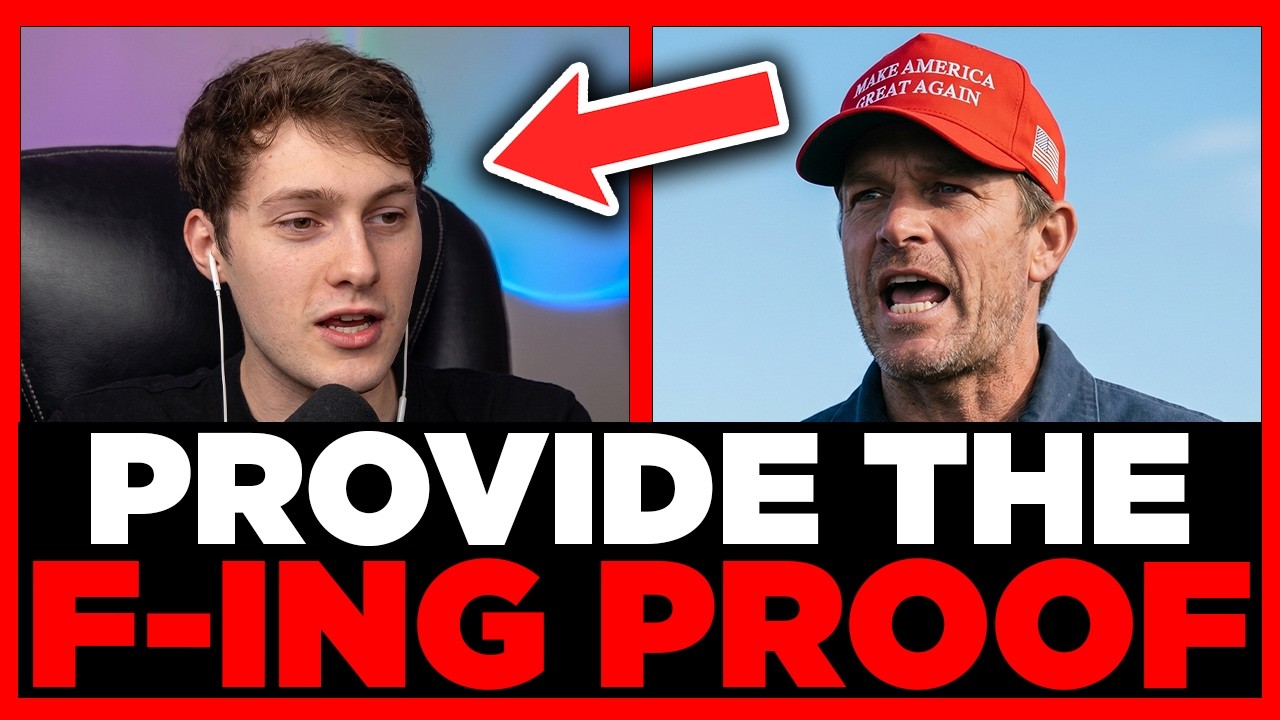
Progressive Youtuber DEMOLISHES MAGA Supporter Who Can't Name a Single Felony He Called Fake
Posted
April 25, 2026
Views
1,310
Likes
32
Comments
6
Engagement
April 25, 2026
1,310
32
6
2.90%
Every word spoken in this episode is indexed. Type any phrase to jump straight to the moment it was said.
Type any word or phrase that may have been spoken. Click a result to seek the player to that exact moment.
Try a name, a topic, or a quoted line
 16:58Now Playing
Welcome back to the channel. In this episode, Parker returns with another intense debate breakdown, this time focusing on a heated exchange around legal convictions, courtroom evidence, and political accountability. What starts as a discussion about high-profile legal cases quickly turns into a deeper examination of how people interpret court rulings, what evidence actually means, and how motivated reasoning shapes public opinion.
At the center of this conversation is a supporter of a former administration who strongly rejects the legitimacy of a well-known falsification of business records conviction. Parker approaches the discussion with a direct, structured line of questioning—asking for specific charges, actual evidence from the case, and clear reasoning behind the rejection of the verdict. What follows is a revealing back-and-forth that highlights how debates often break down when opinions are formed before facts are fully understood.
One of the key moments in the discussion comes when Parker asks a simple but powerful question: can the guest name the felony charges they are dismissing? The inability to clearly answer becomes a turning point in the conversation, shifting the focus toward how conclusions are formed without engagement with the actual legal record. Parker then breaks down the charge—falsification of business records in the first degree—and explains how it connects to intent, documentation, and financial records within the case.
The debate deepens as Parker challenges the comparison made between professional tax preparation errors and intentional falsification in a legal context. This leads into a broader explanation of how intent distinguishes administrative mistakes from criminal conduct. The conversation also touches on how legal accountability works when financial documentation is altered to influence public perception or conceal information tied to sensitive transactions.
A major theme throughout the discussion is motivated reasoning—the psychological tendency to accept or reject information based on pre-existing beliefs rather than evidence. Parker highlights how this affects public interpretation of legal rulings, especially when individuals rely on media narratives instead of court documentation. The exchange becomes a case study in how misinformation spreads when emotional loyalty overrides factual review.
The conversation also expands into broader political commentary, including claims about government transparency, investigative records, and public trust in institutions. Parker consistently redirects the discussion back to evidence-based reasoning, emphasizing the importance of distinguishing between opinion, assumption, and documented fact.
As the debate progresses, it becomes clear that the disagreement is not just about one legal case, but about how people engage with information itself. Are conclusions being formed through careful review of facts, or through alignment with political identity? Parker’s approach forces the guest to confront gaps in their understanding while maintaining a structured, evidence-focused dialogue.
This episode is a powerful example of modern political debate culture—where legal cases, media narratives, and psychological biases all intersect. It raises important questions about how citizens evaluate court rulings, how public figures shape perception, and how accountability should be discussed in a media-driven environment.
Let us know your thoughts in the comments. Do you think most people engage with legal cases directly, or through filtered narratives? How important is it to understand the actual charges and evidence before forming an opinion? Join the discussion and share your perspective.
Sentinel Indexing in Progress
Metadata and chapters are available. Claim extraction for this episode is pending.
All video content is delivered via YouTube embedded players in accordance with the YouTube Terms of Service. Sentinel provides research tools that promote discovery and accountability across political media.