Andrew Huberman
@hubermanlab·7.5M subscribers·510 videos
Understand & Improve Memory Using Science-Based Tools
Posted
May 16, 2022
Views
1,245,515
Likes
27,420
Comments
1,261
Engagement
2.30%
May 16, 2022
1,245,515
27,420
1,261
2.30%
Every word spoken in this episode is indexed. Type any phrase to jump straight to the moment it was said.
Type any word or phrase that may have been spoken. Click a result to seek the player to that exact moment.
Try a name, a topic, or a quoted line
 2:09:17Now Playing
This episode I explain the mechanisms by which different types of memories are established in our brain and how to leverage the amount and timing of key neurochemicals and hormones, such as adrenaline (aka epinephrine) and cortisol, to improve your learning and memory abilities. I describe multiple science-based protocols to do this, including repetition, caffeine, emotional states, deliberate cold exposure, sleep, meditation, and the role of vision, including taking “mental snapshots.” I also describe how exercise and an associated hormone, osteocalcin, can improve cognitive ability and memory formation. I also describe unique aspects and forms of memory such as photographic memory, extreme facial recognition (aka super recognition), and the phenomenon known as déjà vu.
#HubermanLab #Memory
Thank you to our sponsors
Eight Sleep
InsideTracker
Our Patreon page
Supplements from Momentous
Social & Website
Subscribe to the Huberman Lab Podcast
Apple Podcasts
Google Podcasts
Other platforms
Article Links
A Novel Demonstration of Enhanced Memory Associated with Emotional Arousal
Mechanisms of memory under stress
Photographic MemoryThe Effects of Volitional Photo Taking on Memory for Visual and Auditory Aspects of an Experience
Brief, daily meditation enhances attention, memory, mood, and emotional regulation in nonexperienced meditators
Timestamps
The Huberman Lab Podcast is for general informational purposes only and does not constitute the practice of medicine, nursing or other professional health care services, including the giving of medical advice, and no doctor/patient relationship is formed. The use of information on this podcast or materials linked from this podcast is at the user’s own risk. The content of this podcast is not intended to be a substitute for professional medical advice, diagnosis, or treatment. Users should not disregard or delay in obtaining medical advice for any medical condition they may have and should seek the assistance of their health care professionals for any such conditions.
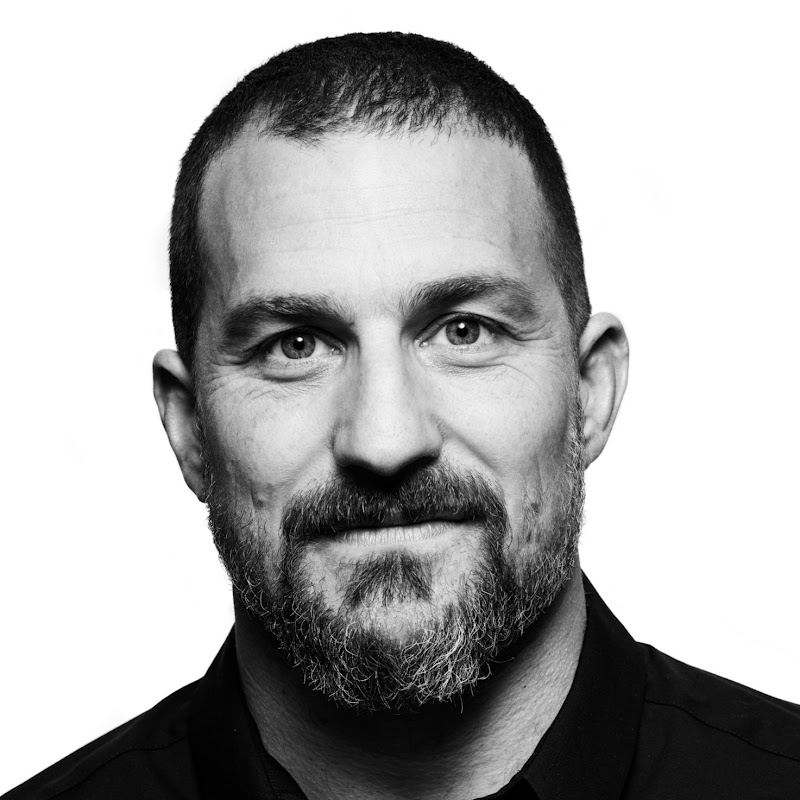
Title Card Photo CreditMike Blabac
Sentinel Indexing in Progress
Metadata and chapters are available. Claim extraction for this episode is pending.
All video content is delivered via YouTube embedded players in accordance with the YouTube Terms of Service. Sentinel provides research tools that promote discovery and accountability across political media.