Elan Show
@elanshowofficial·28.6K subscribers·316 videos
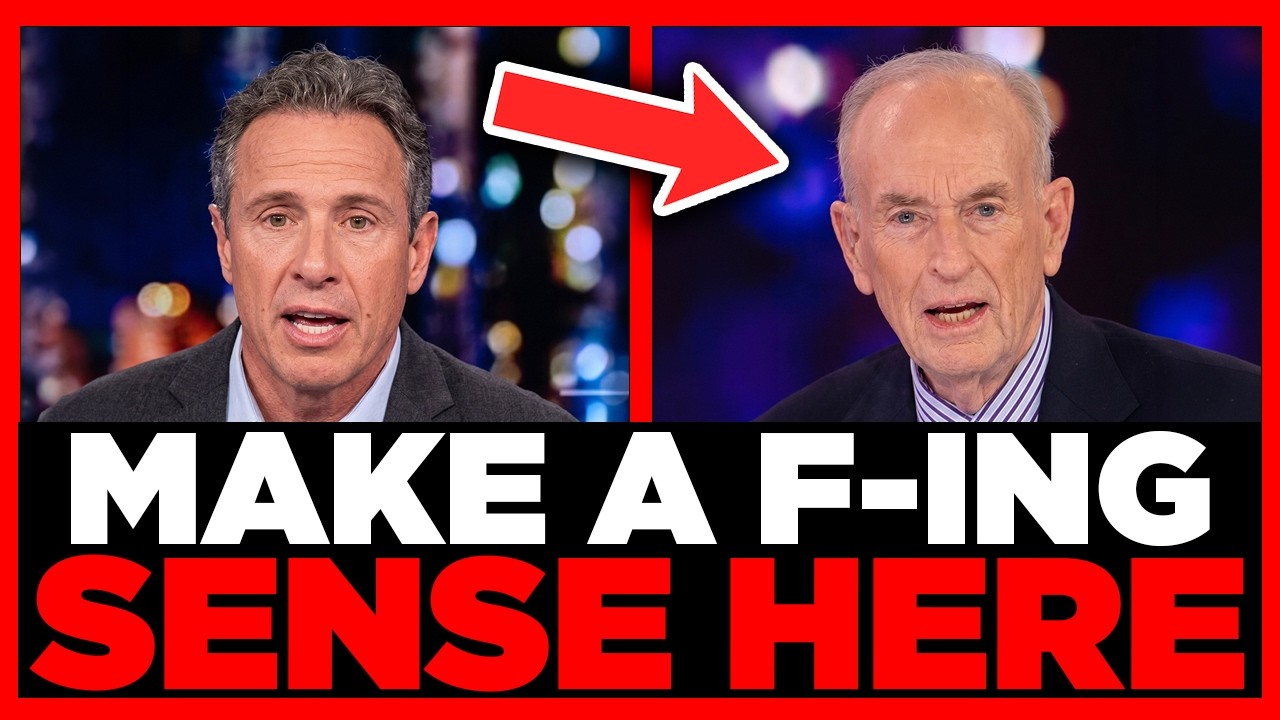
Chris Cuomo OBLITERATES Bill O'Reilly Using His Own Source Argument
Posted
April 21, 2026
Views
3,388
Likes
102
Comments
17
Engagement
3.51%
April 21, 2026
3,388
102
17
3.51%
Every word spoken in this episode is indexed. Type any phrase to jump straight to the moment it was said.
Type any word or phrase that may have been spoken. Click a result to seek the player to that exact moment.
Try a name, a topic, or a quoted line
 14:16Now Playing
Welcome back to the channel. In this episode, we break down a heated and highly technical political debate between Chris Cuomo and Bill O’Reilly, where questions about intelligence reports, nuclear enrichment levels, and military justification take center stage. What begins as a discussion on foreign policy quickly escalates into a clash over evidence, context, and how public narratives are shaped around national security decisions.
At the heart of this debate is a disagreement over whether intelligence assessments about Iran’s nuclear capabilities were accurately represented or selectively framed. Bill O’Reilly argues that official sources and intelligence officials indicate elevated uranium enrichment levels, suggesting a serious and immediate concern. He references statements attributed to the International Atomic Energy Agency (IAEA), including figures around 60% enrichment, framing them as evidence of a credible threat.
Chris Cuomo challenges this interpretation, pushing for full context behind the claims. He emphasizes that while enrichment levels are significant, they do not automatically translate into a functional nuclear weapon. Cuomo repeatedly highlights the importance of distinguishing between raw material capacity and actual weaponization, arguing that skipping this distinction leads to overstated conclusions in public discourse.
The debate intensifies as Cuomo accuses O’Reilly of relying on selective framing rather than complete reporting. He points out inconsistencies in how quotes are used, especially when portions of official statements are presented without their broader technical explanation. This leads to a broader discussion about how intelligence language is often simplified in media coverage, sometimes losing critical nuance in the process.
O’Reilly defends his position by arguing that multiple intelligence sources, including U.S. and international agencies, support the concern that nuclear development is progressing. He frames the situation as one of precaution, suggesting that waiting for absolute certainty could pose greater risks. Cuomo, however, pushes back on what he sees as assumptions being presented as certainty, emphasizing that “unknowns” in intelligence should not automatically be interpreted as imminent threat confirmation.
A major turning point in the discussion comes when Cuomo introduces the concept of straw man arguments, arguing that certain claims about inspections and intentions oversimplify complex geopolitical realities. He stresses that lack of full access to inspections does not automatically validate worst-case assumptions, especially when historical precedent shows how intelligence gaps can lead to misinterpretation.
The conversation also touches on broader themes of media responsibility, political rhetoric, and how public trust in intelligence institutions is shaped. Cuomo argues that certainty in such high-stakes discussions must be grounded in complete data, while O’Reilly maintains that caution and worst-case preparation are necessary when dealing with potential nuclear proliferation.
This debate ultimately reflects a larger issue in modern political discourse: the tension between precautionary interpretation and evidence-based restraint. It raises important questions about how intelligence reports are communicated to the public, how much weight should be given to incomplete data, and where the line is between informed concern and speculative escalation.
For viewers interested in political commentary, international relations, nuclear policy debates, and media analysis, this exchange offers a clear example of how framing shapes perception. It also highlights the importance of reading full context before drawing conclusions from partial statements.
Let us know your thoughts in the comments. Do you think intelligence assessments should be interpreted with maximum caution, or should conclusions always wait for complete verification? How much responsibility do media figures have in how they present partial intelligence data? Join the discussion below.
Sentinel Indexing in Progress
Metadata and chapters are available. Claim extraction for this episode is pending.
All video content is delivered via YouTube embedded players in accordance with the YouTube Terms of Service. Sentinel provides research tools that promote discovery and accountability across political media.