Elan Show
@elanshowofficial·28.6K subscribers·316 videos
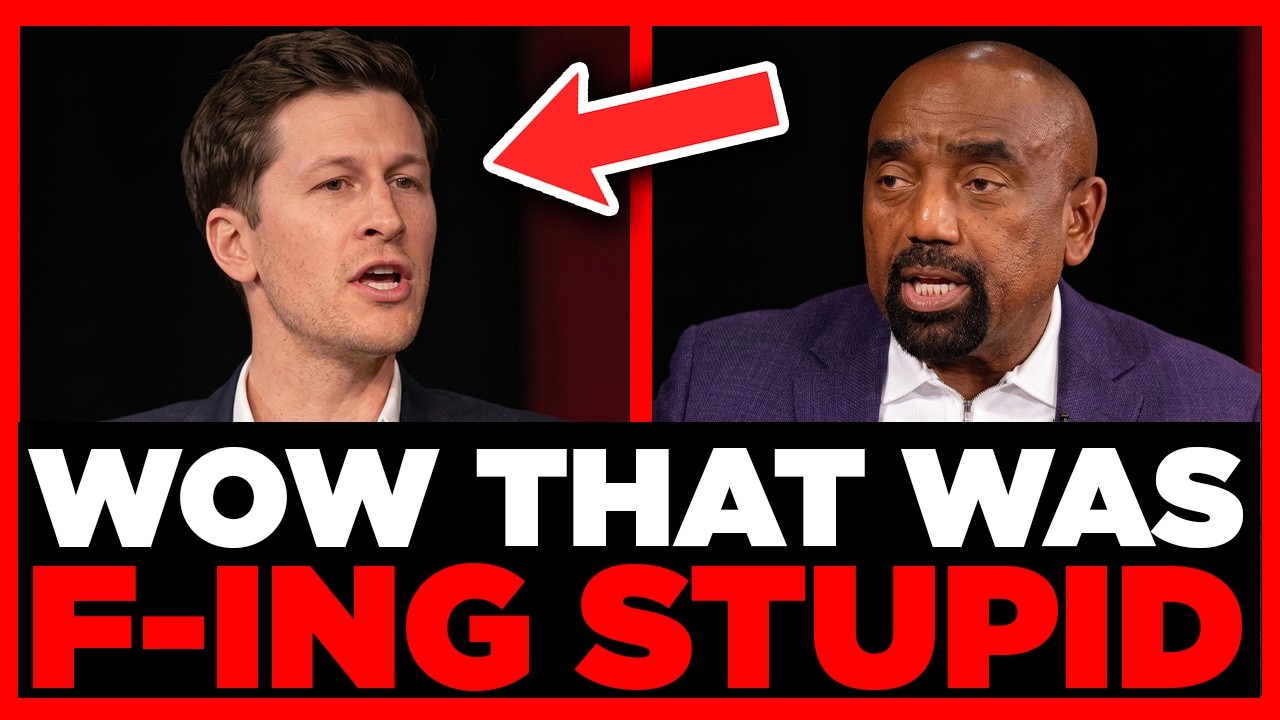
Jesse Lee Peterson HUMBLED as Progressive Activist DROPS FACTS on Structural Inequality LIVE
Posted
April 20, 2026
Views
22,386
Likes
652
Comments
276
Engagement
April 20, 2026
22,386
652
276
4.15%
Every word spoken in this episode is indexed. Type any phrase to jump straight to the moment it was said.
Type any word or phrase that may have been spoken. Click a result to seek the player to that exact moment.
Try a name, a topic, or a quoted line
 13:09Now Playing
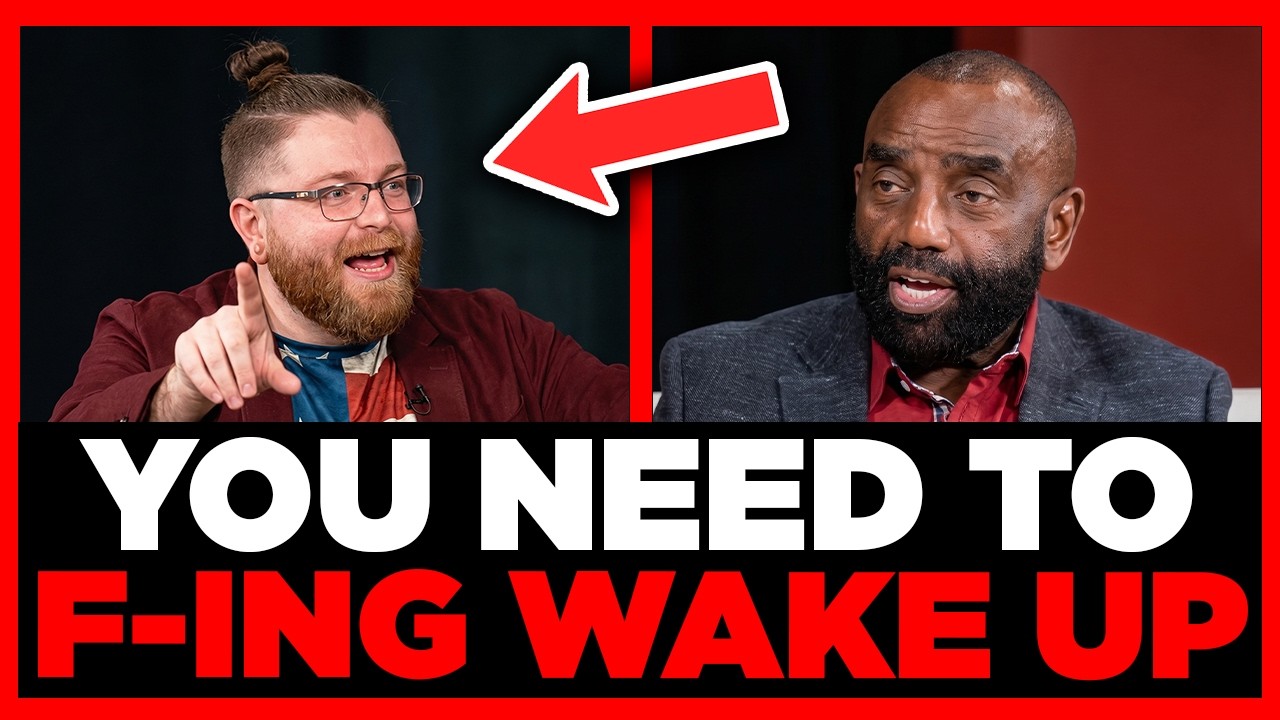
This video features a highly charged political and cultural debate between a liberal commentator and a Black conservative reverend, diving deep into some of the most contested issues in modern public discourse: race, personal responsibility, systemic inequality, and political identity. The conversation quickly escalates into a direct clash of worldviews, where both sides challenge not only each other’s arguments, but the underlying assumptions behind them.
At the center of the debate is a fundamental question: what drives success in society? Is it individual choice, family structure, and cultural values—or is it environment, access to opportunity, and historical conditions? Early in the discussion, both participants surprisingly find common ground, acknowledging that factors like education, stable households, and generational wealth significantly impact long-term outcomes. However, that agreement quickly becomes the foundation for deeper disagreement.
The conservative perspective emphasizes personal accountability, family values, and cultural reform—arguing that communities must prioritize marriage, discipline, and self-determination to improve outcomes. In contrast, the liberal viewpoint focuses on systemic barriers, policy decisions, and historical context, arguing that unequal starting points make equal outcomes far more difficult to achieve, regardless of effort.
One of the most intense moments in the exchange comes during the discussion of Black conservatives and political alignment. The liberal speaker takes a controversial stance, criticizing Black conservatives as acting against their own interests, while the reverend pushes back strongly, defending individual freedom of thought and the right to independent political beliefs. This segment highlights a broader ideological divide around identity politics, free speech, and intra-community disagreement.
The debate also explores the evolution of discrimination—from explicit laws in the past to more subtle, structural mechanisms today. Topics like economic policy, education funding, and the long-term effects of past legislation are brought into focus, raising important questions about how much progress has truly been made and what challenges still remain.
Perhaps the most thought-provoking moment comes when the liberal speaker openly acknowledges his own privileged background—crediting his success to being raised in a well-resourced environment with strong educational support and financial stability. This moment reframes the entire conversation, shifting it from abstract theory to lived experience, and reinforcing the argument that opportunity is not evenly distributed.
At the same time, the discussion doesn’t ignore cultural factors. Both sides agree that family structure plays a significant role in outcomes, but differ on how to address it—whether through personal change or broader systemic reform. This tension reflects a larger national conversation about solutions: should change start from within communities, or from policy and institutions?
Throughout the video, viewers are exposed to a raw, unfiltered exchange that doesn’t shy away from uncomfortable questions. It’s a conversation about race, politics, and ideology that challenges assumptions on all sides and encourages deeper reflection.
What do you think? Are outcomes primarily shaped by personal decisions or structural conditions? Can both be true at the same time? And how should society move forward from here?
Join the discussion in the comments below—share your perspective, engage with others, and let your voice be heard.
Sentinel Indexing in Progress
Metadata and chapters are available. Claim extraction for this episode is pending.
All video content is delivered via YouTube embedded players in accordance with the YouTube Terms of Service. Sentinel provides research tools that promote discovery and accountability across political media.