Elan Show
@elanshowofficial·28.6K subscribers·316 videos
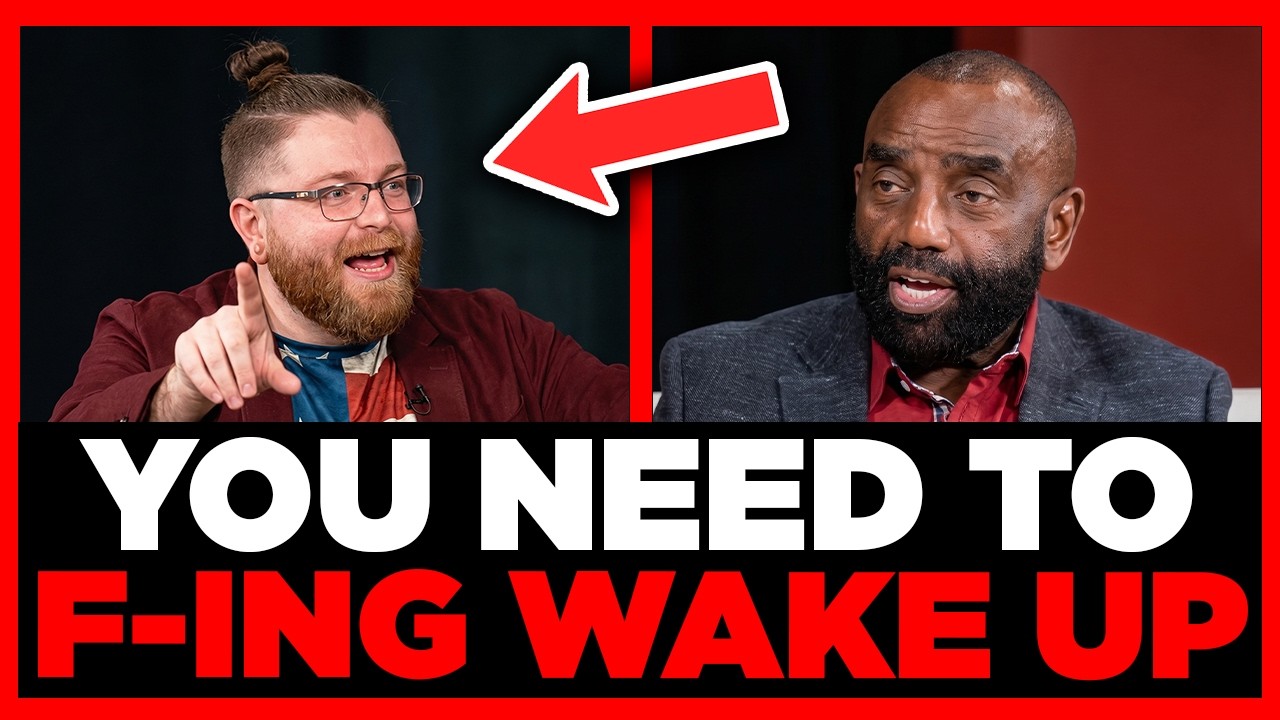
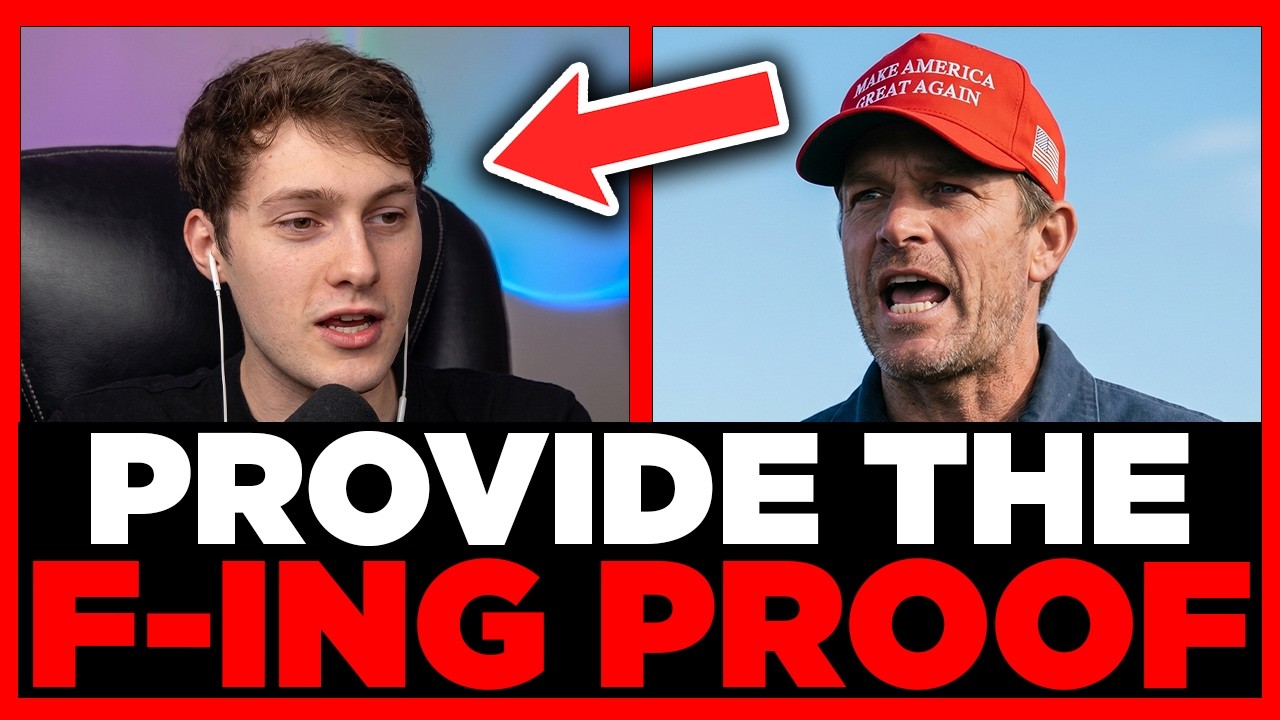
Progressive YouTuber DISMANTLES MAGA Caller's Transparency Claim in Epic Debate
Posted
April 20, 2026
Views
1,981
Likes
33
Comments
8
Engagement
2.07%
April 20, 2026
1,981
33
8
2.07%
Every word spoken in this episode is indexed. Type any phrase to jump straight to the moment it was said.
Type any word or phrase that may have been spoken. Click a result to seek the player to that exact moment.
Try a name, a topic, or a quoted line
 18:59Now Playing
In this in-depth and surprisingly revealing political conversation, a caller joins a live debate to explain why he still leans conservative—despite openly acknowledging disagreements with key policies and outcomes. What starts as a casual discussion quickly turns into a sharp, fact-driven breakdown of economic promises, political accountability, and the gap between belief and reality.
The host wastes no time getting into substance. The conversation centers on major policy topics like tariffs, domestic manufacturing, cost of living, transparency, and government accountability. The caller initially defends the idea behind tariffs—bringing jobs back and strengthening the economy—but admits the results haven’t materialized. That moment sets the tone for the entire debate: the difference between intention and outcome.
As the discussion unfolds, the host challenges the caller on measurable results. Manufacturing decline, rising prices, and unmet economic promises are all laid out clearly. Rather than attacking personally, the host focuses on evidence and consistency, asking a simple but powerful question: if the results aren’t there, what exactly is being supported?
From there, the debate shifts into one of the most important themes in modern politics—transparency vs. trust. The caller claims transparency is a key reason for his support, which opens the door to a deeper discussion about public accountability, document releases, and whether political figures follow through on promises of openness. This segment highlights a broader issue in political discourse: how voters evaluate credibility and what standards they apply to their preferred leaders.
Another major turning point comes when the conversation moves into unity versus accountability. The caller emphasizes that people across political lines should come together, a sentiment that resonates with many viewers. However, the host pushes back by pointing out a critical tension—unity cannot replace accountability. Agreeing that leaders should be held responsible means being willing to withdraw support when standards are not met.
This is where the discussion becomes especially compelling. The caller repeatedly agrees with key criticisms—acknowledging broken promises, shifting policies, and the need for accountability—yet hesitates to fully detach from political identity. That hesitation reveals a deeper dynamic that goes beyond policy: the role of identity in shaping political loyalty.
The debate also explores how public opinion can shift rapidly, especially when influenced by leadership decisions. The host raises the question of whether people evaluate policies independently, or whether they align their views based on who is making the decision. This idea ties directly into broader conversations about media influence, partisan alignment, and critical thinking in political spaces.
Throughout the exchange, both sides remain engaged and relatively respectful, which makes the conversation stand out. This isn’t a shouting match—it’s a real-time example of how beliefs can be challenged, reconsidered, and sometimes reshaped through dialogue.
By the end of the video, the caller admits uncertainty about where he truly stands. That moment is the core of the entire discussion. It’s not about winning or losing an argument—it’s about recognizing gaps in information and being willing to re-evaluate positions.
This video is a must-watch for anyone interested in political debates, economic policy discussions, and the psychology behind voter behavior. Whether you lean conservative, progressive, or somewhere in between, there’s something here that will make you think.
Join the conversation below:
What matters more—intentions behind policies or actual results?
Can political unity exist without accountability?
Have you ever rethought your own position after hearing new information?
Drop your thoughts in the comments, share your perspective, and let’s have a real discussion.
Sentinel Indexing in Progress
Metadata and chapters are available. Claim extraction for this episode is pending.
All video content is delivered via YouTube embedded players in accordance with the YouTube Terms of Service. Sentinel provides research tools that promote discovery and accountability across political media.